
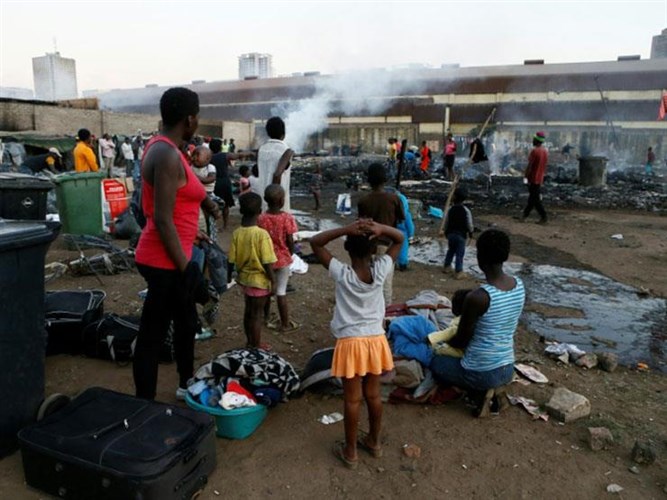
Apartheid Trauma: Essential Truths South Africa Must Confront
Apartheid Trauma continues to impact South Africa decades after the end of institutionalized racial segregation. The psychological scars left behind affect individuals, families, and communities, creating challenges that extend far beyond the political or social realm. Without confronting these deep wounds, reconciliation initiatives may remain superficial and fail to achieve lasting peace.
1. The Lasting Impact of Psychological Wounds
The emotional and psychological effects of Apartheid Trauma are profound. Survivors of racial oppression often experience PTSD, anxiety, depression, and other mental health challenges that persist through generations. These wounds are not just individual they affect community cohesion, societal trust, and national identity. Research shows that intergenerational trauma can influence parenting styles, education outcomes, and social behavior, creating a cycle that is difficult to break.
2. The Role of IHOM in Healing
The Institute for Healing of Memories (IHOM) has been a pioneer in addressing these deep psychological scars. Founded in 1998 by Father Michael Lapsley, IHOM provides a safe environment where survivors can share their experiences and begin the healing process. The institute emphasizes that national reconciliation cannot be achieved solely through legislation or truth commissions; emotional and psychological recovery is equally critical. For more information on trauma recovery, visit American Psychological Association on Trauma.
3. Intergenerational Effects
Apartheid Trauma is not limited to those who lived under the oppressive regime. Children and grandchildren of survivors often inherit emotional burdens that manifest in anxiety, mistrust, and behavioral challenges. Addressing these intergenerational effects requires targeted community programs, therapy, and educational initiatives. Internal resources on trauma recovery can be explored further in our Trauma Recovery Guide.
4. Education and Awareness
One of the most critical steps in addressing Apartheid Trauma is increasing awareness through education. Schools and universities play a key role in teaching younger generations about historical injustices while promoting empathy and resilience. Educational programs that incorporate mental health awareness alongside history create a more comprehensive understanding of the social and psychological impact of apartheid.
5. Community-Based Healing Programs
Grassroots community initiatives are essential for fostering healing at a local level. Programs such as storytelling circles, art therapy, and peer counseling create spaces where individuals can safely express trauma and connect with others who share similar experiences. Communities that actively engage in such initiatives tend to report higher levels of trust, reduced social tension, and stronger bonds among residents.
6. Government and Policy Interventions
National healing requires more than grassroots efforts; government involvement is crucial. Policies that fund mental health services, support victim rehabilitation, and integrate trauma-informed practices into public institutions contribute significantly to societal recovery. South Africa’s government has an opportunity to implement sustainable programs that address the root causes and consequences of Apartheid Trauma.
7. Economic and Social Inequality
Apartheid Trauma is compounded by ongoing economic and social inequalities. Persistent disparities in wealth, education, and access to healthcare exacerbate psychological stress and hinder recovery. Addressing these inequalities is vital for reducing the long-term effects of trauma and creating a more equitable society.
8. Mental Health Services Accessibility
Access to professional mental health services is a fundamental component of healing. Many South Africans lack sufficient access to counseling, therapy, and psychiatric care, particularly in rural areas. Expanding affordable and culturally sensitive mental health services is essential for addressing both individual and community-level Apartheid Trauma. For more information on local programs and resources, visit our Mental Health Support in South Africa page.
9. The Role of Truth and Reconciliation
While the Truth and Reconciliation Commission (TRC) played a critical role in exposing human rights violations, many voices were never heard. Integrating ongoing trauma healing programs alongside reconciliation efforts ensures that the emotional and psychological dimensions are not overlooked. Truth, acknowledgment, and active support for survivors are necessary to achieve genuine national healing.
10. Building a Resilient Future
Moving beyond Apartheid Trauma requires a multifaceted approach that combines personal, community, and governmental action. Promoting resilience, fostering empathy, and implementing sustainable mental health interventions create a foundation for long-term recovery. By addressing both historical injustices and ongoing inequalities, South Africa can pave the way for a more harmonious and emotionally healthy society. Learn more about local initiatives in Resilience Programs in South Africa that help communities heal and grow stronger.
Conclusion
Apartheid Trauma remains one of South Africa’s most profound challenges, affecting individuals and society at large. Comprehensive strategies that include education, community engagement, mental health services, and policy reform are essential to confront these deep-seated wounds. Only through intentional, sustained efforts can South Africa achieve genuine reconciliation and build a future free from the shadows of past oppression.

