Introduction
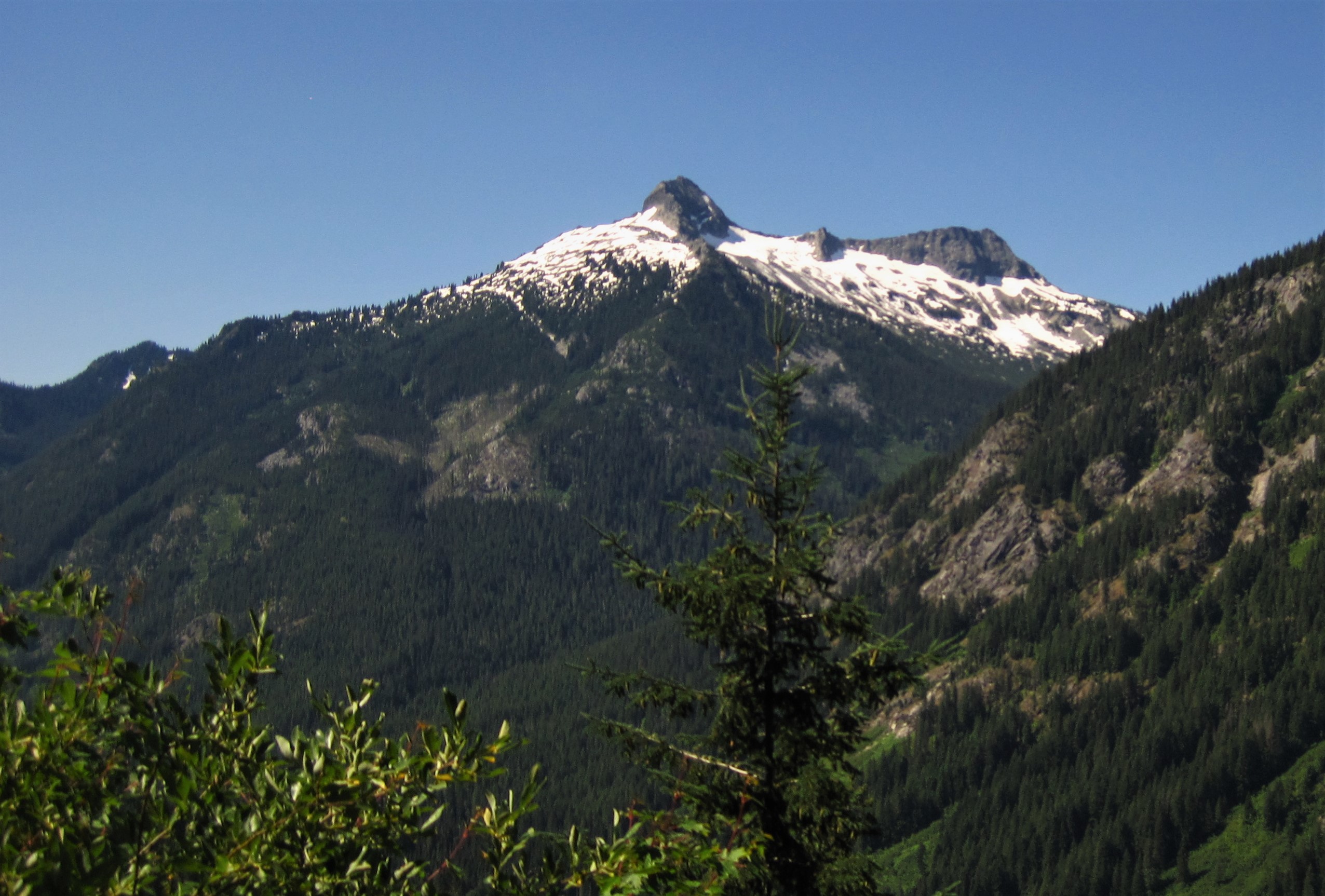
The official declaration of Mount David Nature Reserve has reshaped how South Africa approaches private-land conservation. Once a rural farm known as Diepgat, the 800-hectare property now thrives as a haven for rare species and rehabilitated landscapes. Its steep ridges, shallow pools, and fynbos slopes host creatures found nowhere else, including the endangered Moonlight Mountain Toadlet. Through partnerships, science, and patience, this reserve demonstrates that ecological recovery and human cooperation can succeed together. Here are eight essential ways Mount David is transforming conservation across the Western Cape.
A Model for Restoring Degraded Land
Twenty years ago, alien trees and overgrazing stripped these hills bare. Continuous clearing, erosion control, and re-seeding have since brought the terrain back to life. The landowner, Antony van Hoogstraten, worked with CapeNature and the Endangered Wildlife Trust to remove pines and wattles that consumed groundwater. As native vegetation returned, so did pollinators and soil stability. The site’s recovery now guides other farmers considering conservation. Mount David proves that with sustained management, exhausted farmland can become a functioning ecosystem again.
Protection for the Moonlight Mountain Toadlet
At the heart of the reserve’s success lies one remarkable amphibian — the Moonlight Mountain Toadlet (Capensibufo selenophos). This tiny species depends on clean, temporary rain pools to breed. Surveys revealed a healthy population living within the restored wetlands, confirming that water quality and vegetation structure have improved. Because amphibians are sensitive to pollutants and climate shifts, their return signals a robust ecosystem. Safeguarding their habitat benefits countless insects, birds, and plants connected to the same web of life.
Revival of Rare Fynbos
The Cape Floristic Region’s fynbos biome contains more plant diversity per square kilometre than almost anywhere on Earth. At Mount David, long-term restoration has revived this intricate vegetation. Indigenous ericas, proteas, and restios now blanket slopes once dominated by invasive trees. Botanists even rediscovered a rare Erica species thought locally extinct. Natural fire cycles have been re-introduced under careful supervision to stimulate seed germination. This rebirth of fynbos reinforces regional biodiversity and enhances carbon storage, strengthening climate resilience for the Western Cape.
A Cornerstone in the Stewardship Network
Through CapeNature’s Biodiversity Stewardship Programme, Mount David became part of a province-wide conservation network that links private and public reserves. Stewardship agreements keep ownership with the landholder but guarantee legal protection for biodiversity. Each new partner strengthens ecological corridors and creates safe passage for wildlife between mountain ranges. This cooperative model expands South Africa’s protected area estate without requiring state acquisition — a practical and affordable path toward the country’s 30 by 30 biodiversity goal.
Wildlife and Ecosystem Recovery
Camera traps inside the reserve show leopard, caracal, and klipspringer moving through rocky ridges, while grey rhebok browse on grassland edges. Blue cranes, black harriers, and Verreaux’s eagles soar overhead. These sightings confirm that natural predator–prey relationships are returning. Diverse habitats — wetlands, fynbos, and open plains — sustain balanced food chains. Protecting such variety ensures ecological stability and resilience against drought or fire, demonstrating how connected ecosystems heal once human pressure eases.
Water as a Climate Asset
The wetlands within Mount David Nature Reserve act as living water systems. They capture winter rains, filter runoff, and release purified water gradually to nearby catchments. This natural service reduces floods, replenishes aquifers, and provides cleaner supplies downstream. Re-established vegetation along seeps holds the soil together after storms. In a province where rainfall is unpredictable, healthy catchments like this form a crucial defence against climate extremes. Protecting nature, in this case, also protects the region’s water security.
Community Participation and Education
Local involvement drives lasting conservation. Schools visit the reserve for environmental lessons, volunteers help with clearing, and neighbouring landowners share fire-management plans. Limited eco-tourism may follow, designed to teach visitors rather than exploit the area. Jobs created through restoration and monitoring strengthen rural livelihoods. As residents witness the land’s improvement, they develop pride and stewardship that extend far beyond the reserve’s boundaries. Mount David has turned conservation into a community story rather than an isolated project.
Science and Adaptive Management
Every management step is informed by ongoing research. Ecologists record amphibian calls during breeding seasons, track vegetation recovery, and measure groundwater levels. Drone imagery helps locate invasive seedlings early, saving years of follow-up work. Results guide adaptive management — decisions shift as new data emerge. This scientific foundation ensures that progress continues even when conditions change. The reserve doubles as a long-term field laboratory where lessons learned improve restoration efforts across the Western Cape.
FAQs
Q1 – Where is Mount David Nature Reserve located?
It sits in South Africa’s Western Cape province, covering about 800 hectares of mountain slopes, grasslands, and seasonal wetlands.
Q2 – Why was Mount David created?
To restore degraded farmland, conserve fynbos vegetation, and protect endangered species such as the Moonlight Mountain Toadlet.
Q3 – Who manages the reserve?
Management is shared between the private owner, CapeNature, and the Endangered Wildlife Trust through a stewardship agreement.
Conclusion
The declaration of Mount David Nature Reserve has become a milestone for South African conservation. Its wetlands store clean water, its fynbos glows with colour, and its rare wildlife thrives once more. What began as a private experiment now shapes policy and inspires neighbours to act. The reserve shows that when communities, scientists, and landowners work together, nature rebounds faster than expected. Mount David’s legacy lies not only in its landscapes but in the message it carries — that restoration is both possible and powerful.