Introduction
Devastating floods in the Eastern Cape, particularly around Mthatha, have exposed serious gaps in how local authorities have responded. Political leader Julius Malema has strongly criticised the slow response to the disaster, pointing to the severe impact on residents in the affected area. This article looks at what caused the delays, Malema's criticism, and how the sluggish response has affected the local community. We also explore what needs to happen to prevent similar situations in future.
For more information: /
1. The Mthatha floods: what happened
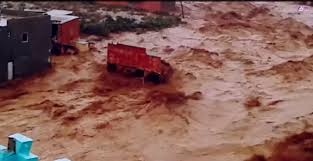
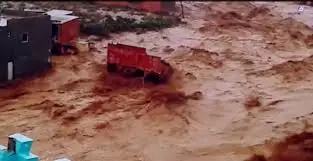
Mthatha, a town in the Eastern Cape, has been hit hard by recent flooding that has disrupted the lives of thousands of people. Water swept through streets, damaged infrastructure and knocked out essential services, creating a humanitarian crisis. This natural disaster has laid bare the challenges of managing emergencies in South Africa's rural areas.
The floods caused significant damage to property and lives, forcing hundreds of families to abandon their homes. Yet despite the severity of the crisis, local authorities were slow to respond and their efforts were seen as ineffective—which is why Malema and other political and community leaders have spoken out.
2. Julius Malema's criticism
Julius Malema, leader of the Economic Freedom Fighters (EFF), has expressed his frustration at how slowly the government responded. He argues that the state's failure to act quickly and effectively made the suffering of Mthatha residents worse. He pointed out that promises of aid and support did not come through in time, leaving many people in dire conditions for days on end.
Malema also criticised the lack of infrastructure to handle such emergencies in rural areas, particularly in towns like Mthatha where resources are stretched thin and access to emergency services is hampered by geography and logistics.
3. Why the response was delayed
Several factors explain why authorities took so long to respond to the Mthatha floods. These include:
a. Lack of money and resources
A major reason local authorities could not act quickly was a shortage of funds and equipment. Local governments often face tight budgets, which limits how fast they can respond to natural disasters. The lack of emergency supplies and rescue equipment slowed down relief efforts.
b. Poor planning and risk management
Managing the risks from natural disasters is a major challenge across much of South Africa. Inadequate planning for floods and other extreme events led to a delayed response. Local authorities often lack the preparation needed to handle such crises, which means they struggle to manage them effectively when they strike.
c. Access and infrastructure problems
Mthatha, like many rural areas, lacks quality infrastructure—particularly roads and drainage systems. During a crisis, these infrastructure gaps make it hard to reach affected areas and slow down the delivery of humanitarian aid. Communication between authorities and affected communities is also often slow and inefficient.
4. The impact on Mthatha residents
The slow response to the floods has had a direct and damaging effect on people in Mthatha. Families were forced to live in increasingly desperate conditions, without proper access to clean water, food or medical care. Some people waited days before receiving any help, which increased their suffering and posed risks to public health.
Local facilities, including schools and health centres, were also badly damaged, further disrupting community life. The crisis has worsened the social and economic inequalities that already exist in the region, highlighting how vulnerable rural communities are when natural disasters strike.
5. What needs to change
To stop this happening again, several steps must be taken to improve how crises are managed and how disasters are handled in rural areas like Mthatha.
a. Build local capacity
Local authorities need stronger skills in managing risks and responding to disasters. This means training emergency staff, upgrading infrastructure and providing enough resources to handle future crises.
b. Long-term planning and prevention
Long-term planning is vital to reduce the risks from floods and other natural disasters. Prevention strategies must be put in place, such as building better drainage systems and improving roads, to lessen the impact when disasters do occur.
c. Work with international partners
Partnering with international organisations and NGOs can also be key to improving disaster response. These groups can provide crucial financial, logistical and humanitarian support, especially during emergencies.
6. Conclusion
The slow response to the Mthatha floods in the Eastern Cape has exposed weaknesses in how South Africa manages crises in rural areas. Through his criticism, Julius Malema has highlighted the urgent need to improve planning, resources and infrastructure to handle such disasters. By taking steps to strengthen disaster preparedness and response, South Africa can better protect its people and reduce loss of life and property when future crises occur.