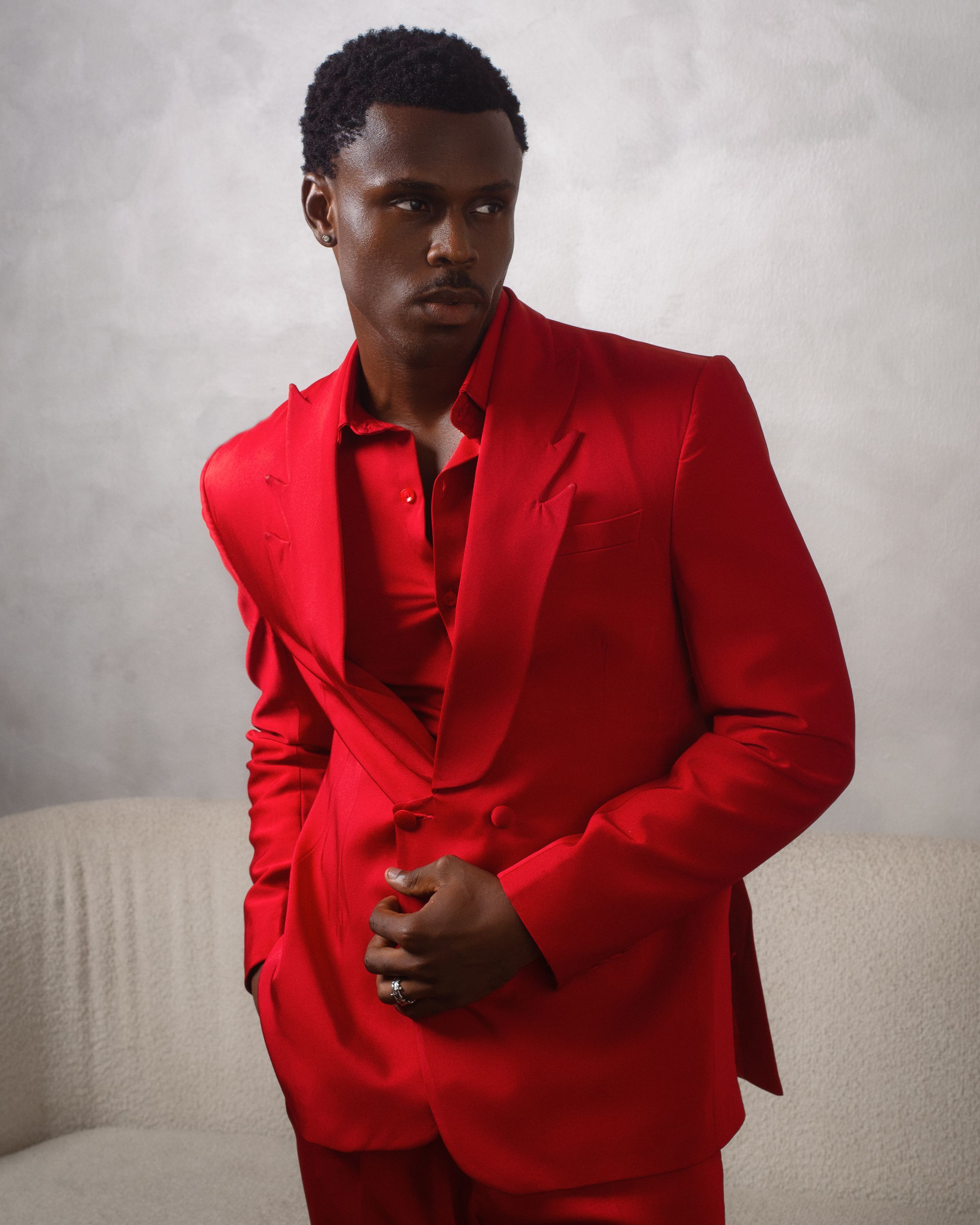
The commercial machinery behind South Africa’s style economy was on full display on Saturday night, when the GQ Best Dressed Awards marked its 20th anniversary at The Venue at Melrose Arch in Johannesburg, presented by Honor Magic V6. For the magazine’s owners and sponsors, the milestone read less as a party than as a demonstration of brand equity: two decades of an asset that has grown alongside the country’s fashion and creative industries, and one that publisher GQ South Africa now intends to keep monetising through editorial content, visual storytelling and a calendar of live events.
That growth strategy already has its next step on the calendar. Editor-in-chief Molife Kumona confirmed that the magazine’s next major date is its Men of the Year event, set for November 21 in Cape Town. His stated focus is on growing the brand while staying relevant to its audience, keeping pace with what readers want to know about and introducing them to new ideas and creative worlds. In an industry where attention is currency, the awards function as both product and marketing platform, drawing personalities from fashion, entertainment, sport and the creative industries whose looks filled a star-studded red carpet with bold, colourful and unapologetically individual statements.
Meanwhile, an event of this scale represents significant operational investment behind the scenes, with teams coordinating venue, guest experience, production and programme so the different elements come together. The result was an evening that placed glamour and fashion in conversation with South Africa’s wider creative culture and, from a business perspective, showcased the range of talent, from established designers and cultural figures to emerging creatives and digital content creators, that the industry has to offer.
The winners’ list itself reads as a map of where value is being created in South African fashion. Laduma Ngxokolo, recognised with the Best-Dressed Global Influence Award, has built an international profile through MaXhosa, his label known for bringing Xhosa-inspired design into contemporary knitwear and fashion, a case study in how heritage-driven design can reach export markets. Trevor Stuurman, named Best-Dressed Cultural Influencer, has become a prominent figure in African fashion and visual storytelling. Chukwuemeka Nwachukwu won Best-Dressed Fashion Influencer, while S’milo Mziyako took Best-Dressed Street Style Content Creator, categories that reflect the growing role of digital platforms and personal storytelling in shaping contemporary fashion conversations and in building audiences outside traditional industry gatekeepers.
Other honours went to Anele Zondo, named Best-Dressed Woman, and Keagan Buchanan, Best-Dressed Celebrity. Phupho Gumede won Best-Dressed Avant-Garde, while Luciano Petersen and Rugen Stevens were recognised as Best-Dressed Couple. The full list also included Kay Ribane and Lethabo Woods, who shared the Best-Dressed Young Creative award; Francois Ferreira, Best-Dressed Creative Impact; Sergio Inês, founder of What My Boyfriend Wore, as Best-Dressed Classic Man; Kamogelo Traviss Senyatso, Best-Dressed Reader; and Mkay Frash, Best-Dressed Fashion Icon.
“Twenty years of GQ Best Dressed is a significant milestone, not just for GQ, but for the broader South African fashion and creative industries,” Kumona said, adding that the winners represent the different ways style can communicate identity and cultural influence, from designers and entrepreneurs to creatives whose work shapes how audiences engage with fashion.
Speaking to The National, Kumona framed the anniversary as an opportunity to look towards the next generation of style voices, particularly as social media gives emerging creatives new ways to build audiences and influence fashion beyond traditional industry platforms. The recognition of figures such as Stuurman and Inês carried particular weight, he said, because their continued influence shows that being well dressed is not simply about a single standout moment, but about consistently shaping how people approach fashion and express themselves through what they wear.
For Kumona, style is also a way of preserving heritage while giving people the freedom to express themselves on their own terms. He pointed to Ngxokolo as an example of someone whose work helps preserve and celebrate cultural heritage. “It’s more than just a fashion aspect, but cultural heritage as well,” he said, explaining that style can take many forms, from avant-garde and Afro-centric looks to traditional dress.
That perspective showed up in a winners’ list that placed established fashion figures alongside emerging creatives and digital content creators, a picture of South African style drawing on cultural roots while making room for individual interpretation. Twenty years after the awards began, the red carpet remains a place where personal style can be playful, experimental and culturally expressive, and where the most memorable looks reflect the person wearing them. For the brand behind it, the question is how far that platform can still grow, with Cape Town’s November date the first test.