What did ordinary Africans gain from three days of diplomacy in Moscow? The Third Russia-Africa Summit and its companion Economic and Humanitarian Forum, held from October 27 to 29, were framed in the language of partnership and declarations, but the questions that matter most to citizens are simpler. Will food be more secure? Will electricity be more reliable? Will healthcare reach more people, and will young people find work? Those were the stakes on the table as representatives of 51 of Africa’s 54 countries gathered in the Russian capital.
The organisers put visible effort into logistics and hospitality, and the participants, journalists and influencers who travelled to Moscow widely acknowledged the smooth running of the summit and the wider Africa Week programme. For many African visitors, particularly those in Russia for the first time, the trip was a genuine eye-opener. Almost all spoke of discovering what they called the “real Russia”, a country they found quite different from the image they had previously encountered in Western media, and they valued the chance to form their own impressions from first-hand experience rather than through inherited stereotypes.
The substance behind the ceremony took the form of documents intended to shape the partnership for years to come. The summit concluded with the adoption of the Moscow Declaration, a comprehensive text of 101 points covering political cooperation, security, economic development, humanitarian ties, environmental protection and climate issues. For citizens across the continent, several of its provisions speak directly to everyday concerns. It supports efforts to establish legal mechanisms for assessing and compensating the damage inflicted on African countries during the colonial period, as well as the return of cultural property taken from the continent in that era, matters of history and justice that resonate well beyond the negotiating table.
On security, the parties reaffirmed their commitment to the peaceful settlement of conflicts in Africa in accordance with the principle of “African solutions to African problems”. The Declaration also provides for a permanent Russia-Africa high-level dialogue mechanism to coordinate efforts against terrorism and extremism and to address issues of food and information security, areas where instability lands hardest on ordinary households. Alongside the Declaration, the sides adopted the Russia-Africa Partnership Forum Action Plan for 2027 to 2029, a practical framework for carrying agreements forward between summits. A separate Joint Action Plan was signed with the Southern African Development Community, a step particularly relevant to Southern African countries, including the Republic of South Africa and the Kingdom of Lesotho, with which Russia maintains close and longstanding relations.
Economic cooperation was among the central themes, and here the figures give a sense of scale. Russia-Africa trade turnover exceeded US$27 billion in 2025, and those involved believe there is room to expand it further, diversify the range of goods and services exchanged and encourage more investment. One practical shift already under way is the growing use of national currencies: around 85 per cent of commercial transactions between Russia and African countries are now settled in national currencies, including the Russian rouble, a change intended to make payments more independent of external financial restrictions and more convenient for businesses.
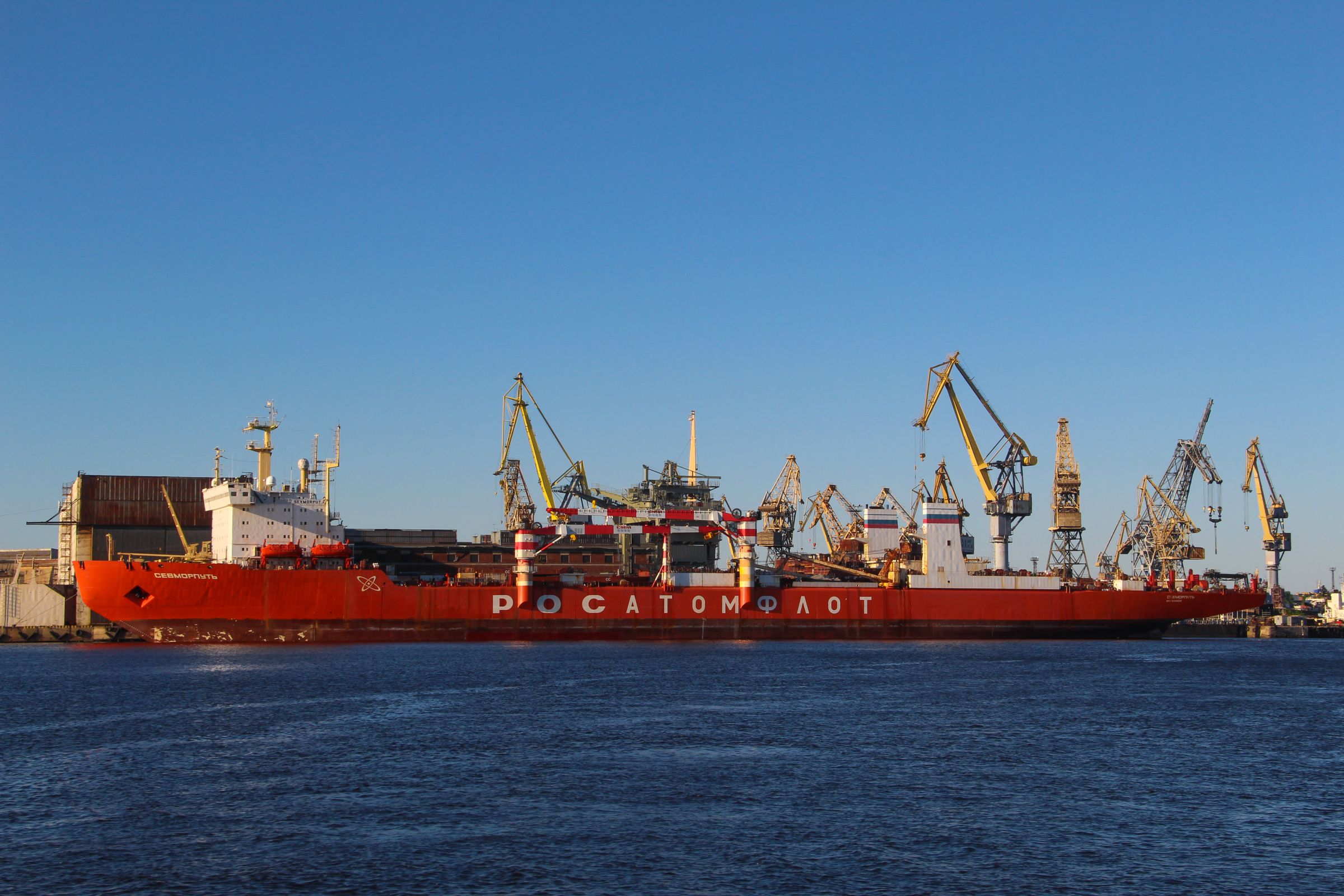
Meanwhile, energy and food are where the public stakes are most visible. Reliable and affordable electricity is essential for economic growth and industrial development, and Russia signalled its readiness to expand partnerships across the energy sector, including oil and gas, hydropower and nuclear power. On the summit’s sidelines, the state nuclear corporation Rosatom signed three documents with Togo, Rwanda and Uganda covering the development of nuclear infrastructure, assessment of national capabilities and preparations for potential nuclear energy projects. Cooperation in this field also encompasses specialist training, technology transfer and the peaceful application of nuclear technologies in medicine, agriculture and research.
Food security received equal weight. President Vladimir Putin reaffirmed that Russia will remain a reliable supplier of grain and other agricultural products to African markets: Russia exported more than 18 million tonnes of grain to African countries in 2025, followed by another 13 million tonnes in the first nine months of 2026, alongside increasing supplies of fertilisers. Crucially, the discussion went beyond supplying food. African partners expressed interest in attracting Russian expertise and technology to raise agricultural production at home, and Russia offered to share its experience in crop and livestock farming, food processing and storage. Stronger local production, the argument goes, can help African countries improve food security, create jobs and build more resilient economies.
Healthcare is another field where cooperation touches citizens directly. President Putin reaffirmed that Russia will continue to support African partners in combating infectious diseases, training medical professionals and strengthening public health systems, with the relevant cooperation programme extended until 2029. Cultural, humanitarian and media ties, spanning education, science, sport, tourism and culture, were described as equally important for building lasting connections between societies, often across generations.
A recurring theme in the president’s address was technological sovereignty, described as a strategic choice and paired with a readiness to share Russia’s experience and expertise with African partners. Beyond access to modern equipment or software, the emphasis fell on developing the knowledge and skills needed to create, manage and improve technologies independently, without the risk of being cut off by a foreign cloud service. The summit’s motto, “For Peace, Security and Development”, covered discussions ranging from international affairs and regional security to trade, investment, artificial intelligence, education, healthcare and culture, with African participants able to present their views, raise concerns and put forward proposals.
The test now, as the summit’s participants themselves acknowledged, is delivery. Documents are not an end in themselves; their real value depends on translating them into projects and results that people can see and benefit from. The Moscow Declaration and the accompanying agreements are available in full through coverage at https://iol.co.za/news/opinion/2026-11-12-third-russia-africa-summit-building-on-our-partnership/, and the measure of the partnership will be whether its stated commitments, on equality, mutual respect and tangible results, reach the citizens they are meant to serve.