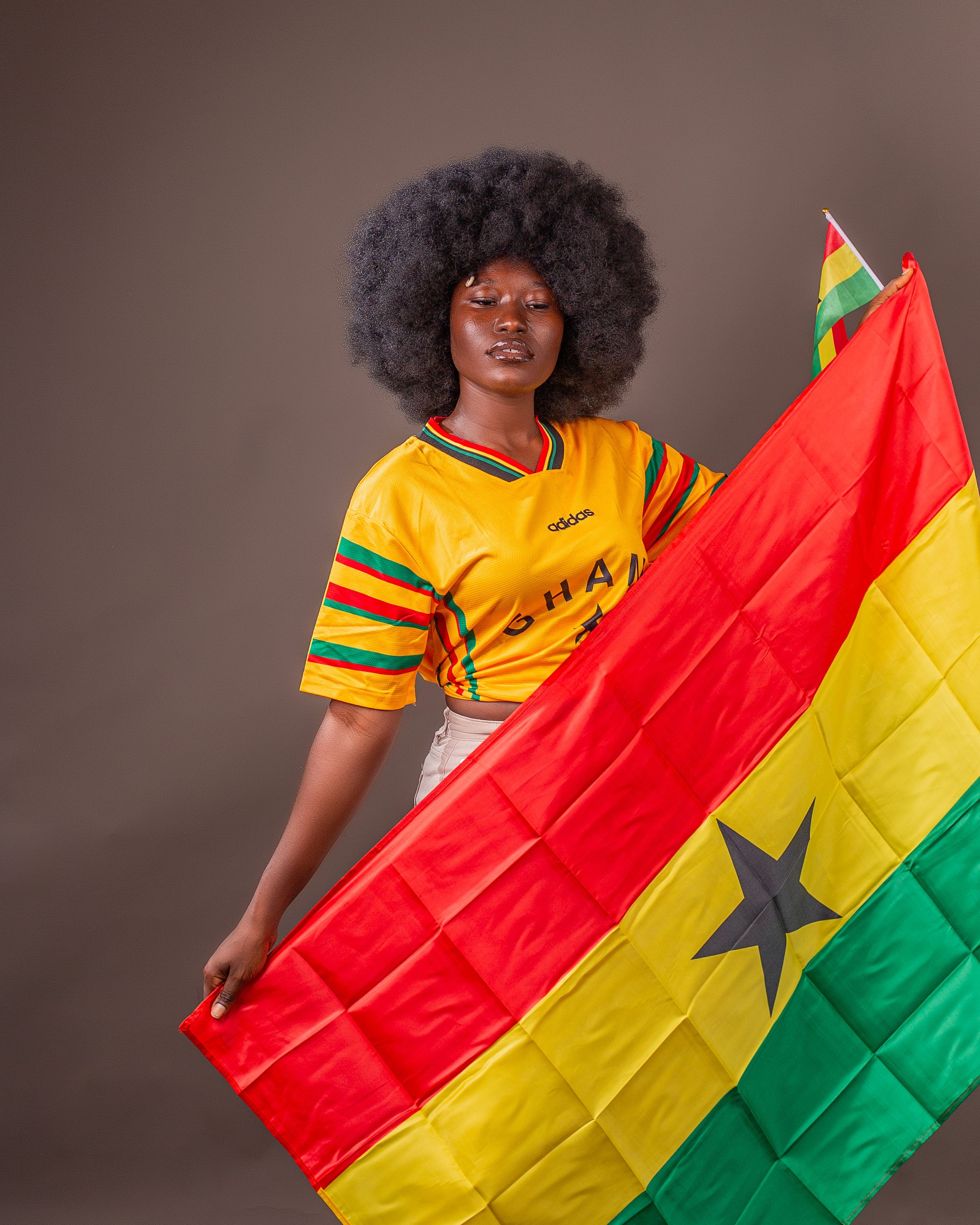
Caleb Yirenkyi’s stoppage-time goal against Panama in Toronto set off celebrations sixteen years in the making. Ghanaian supporters who had waited that long to see the Black Stars in a World Cup knockout match watched Yirenkyi score deep into added time to secure a 1-0 win over a team few expected Ghana to get past. The moments kept coming. In Boston, goalkeeper Benjamin Asare and a disciplined defence frustrated England for ninety minutes, holding Thomas Tuchel’s side to a 0-0 draw. Then came the Round of 32 in Kansas City, where Jhon Arias scored after fourteen minutes and Colombia ended Ghana’s run 1-0.
Behind those matches stood Carlos Queiroz, the 73-year-old coach who arrived in April 2026 with less than three months to prepare the team. The Ghana Football Association turned to him after Otto Addo’s departure, asking him to stabilise a squad facing a demanding Group L containing England, Croatia and Panama. With so little time, his early work centred on organisation, tactical discipline and quickly establishing a clear structure. The results spoke for themselves: a dramatic win over Panama, a disciplined draw with England, a 2-1 defeat by Croatia in the final group match that still left Ghana among the best third-placed teams, and a knockout appearance for the first time since the famous quarter-final run in South Africa in 2010.
Queiroz initially announced his departure after the tournament, describing his time with Ghana as an honour and saying the team had restored respect and credibility to the Black Stars on the world stage. But the story did not end there. In September, the Ghana Football Association announced he had agreed to return for a new mandate ahead of the TotalEnergies CAF Africa Cup of Nations 2027 qualifiers, a decision presented as an attempt to maintain continuity after the World Cup campaign. That second spell proved short-lived. On 1 October, Queiroz and the GFA mutually agreed to terminate his contract, weeks after the new mandate had been handed to him. Queiroz said the decision followed discussions conducted in a spirit of mutual respect and that both sides believed ending the professional relationship was the appropriate course of action.
Now, only days after that parting, Queiroz will arrive at the CAF Strategy Conference in Sal, Cabo Verde, not as Ghana’s serving coach but as the man who just led the Black Stars through a World Cup. His contribution is expected to come from a particularly fresh perspective: a coach who has completed a full World Cup cycle with an African team, dealt with the pressure of a major tournament and then experienced the immediate demands of rebuilding for the next phase. A fuller account of his Conference role and career can be found at https://www.cafonline.com/caf-strategy-conference/news/caf-strategy-conference-carlos-queiroz-five-world-cups-and-a-ghana-campaign-with-lessons-for-africa/.
What makes his voice distinctive is the depth of experience behind it. Ghana in 2026 was his fifth World Cup as a head coach, following Portugal in 2010 and three tournaments with Iran in 2014, 2018 and 2022. FIFA notes that only two other coaches have led teams at five World Cups, making Queiroz only the third to reach that mark. Born in Mozambique when it was still under Portuguese rule, he first built his reputation in youth development, guiding Portugal to consecutive FIFA U-20 World Cup titles in 1989 and 1991. He later coached Sporting CP and Real Madrid, served two spells as assistant to Sir Alex Ferguson at Manchester United, and managed Portugal, South Africa, Iran, Colombia, Egypt, Qatar, Oman and Ghana.
Africa has run through much of that journey. He guided South Africa to qualification for the 2002 FIFA World Cup before leaving the role ahead of the tournament, and later took Egypt to the final of the TotalEnergies CAF Africa Cup of Nations 2021, where they lost to Senegal on penalties.
For CAF, the value of his presence lies in what those experiences can teach. The Strategy Conference is intended not simply to celebrate Africa’s record World Cup performance, with 10 representatives in 2026, but to examine what worked, what did not and what Member Associations can do differently before 2030. Queiroz’s methods, long associated with tactical organisation, defensive structure and preparing teams to face opponents with greater individual resources, were visible in the draw against England and in the way Ghana navigated a difficult group despite weeks rather than months of preparation.
His Ghana tenure is now over, but the lessons from that campaign remain. The Black Stars beat Panama, held England, reached the knockout stage and competed with Colombia in the Round of 32, showing what organisation and experience can achieve even with limited preparation time. When Africa’s football leaders meet in Sal, few participants will be able to draw on a World Cup history as extensive as Carlos Queiroz’s, and few will arrive with insights quite so freshly earned. Whether those lessons translate into results for Ghana’s next coach, and for African teams in 2030, is the question now hanging over Sal.