For more than a century, South African geologists, mining engineers, metallurgists and surveyors have developed and managed some of the deepest and most technically demanding mines in the world. That accumulated human expertise, together with a deep and diverse mineral base, is the country’s strongest card as it seeks to win back mining investment. The question facing the 2026 Joburg Indaba is whether the conditions above ground will finally allow that expertise, and the communities that depend on it, to flourish.
The Indaba arrives at a critical moment. Demand for secure mineral supply is rising globally, yet capital remains selective. South Africa has abundant resources, including platinum group metals and manganese of global significance, along with considerable potential in copper and the critical minerals required for industrialisation and evolving energy systems. The constraints are equally well known: unreliable logistics, slow permitting, uneven regulatory administration and the high cost of doing business. Whether the country can convert its strengths, and the momentum behind recent reforms, into a durable investment advantage is the central question.
The Indaba programme reflects that challenge, bringing together geopolitical realignment, supply-chain resilience, investor confidence and logistics reform. These themes are inseparable. Competition for capital is intensifying just as governments and manufacturers seek more secure and diversified mineral supply chains. South Africa has an opportunity to benefit from that shift, but mineral endowment alone will not be enough. Investors compare jurisdictions according to the conditions in which capital must operate: security of tenure, permitting timeframes, infrastructure capacity and cost, operational reliability, export and beneficiation requirements, and, ultimately, the ability of institutions to deliver.
What lies above ground now matters at least as much as what lies beneath it. In transactions and project development, attention moves quickly from the quality of the orebody to the reliability of rail and ports, the status and security of mineral rights, the timing of approvals, access to electricity and water, community stability, environmental processes and the consistency with which policy is applied. Mines are developed over long horizons and require substantial capital before they produce revenue, so investors and lenders must judge whether a project can be permitted, financed, built and expanded within a credible timeframe, and whether its product can reach customers reliably and competitively. Uncertainty at any point in that chain affects valuation, financing terms and the decision on whether to proceed.
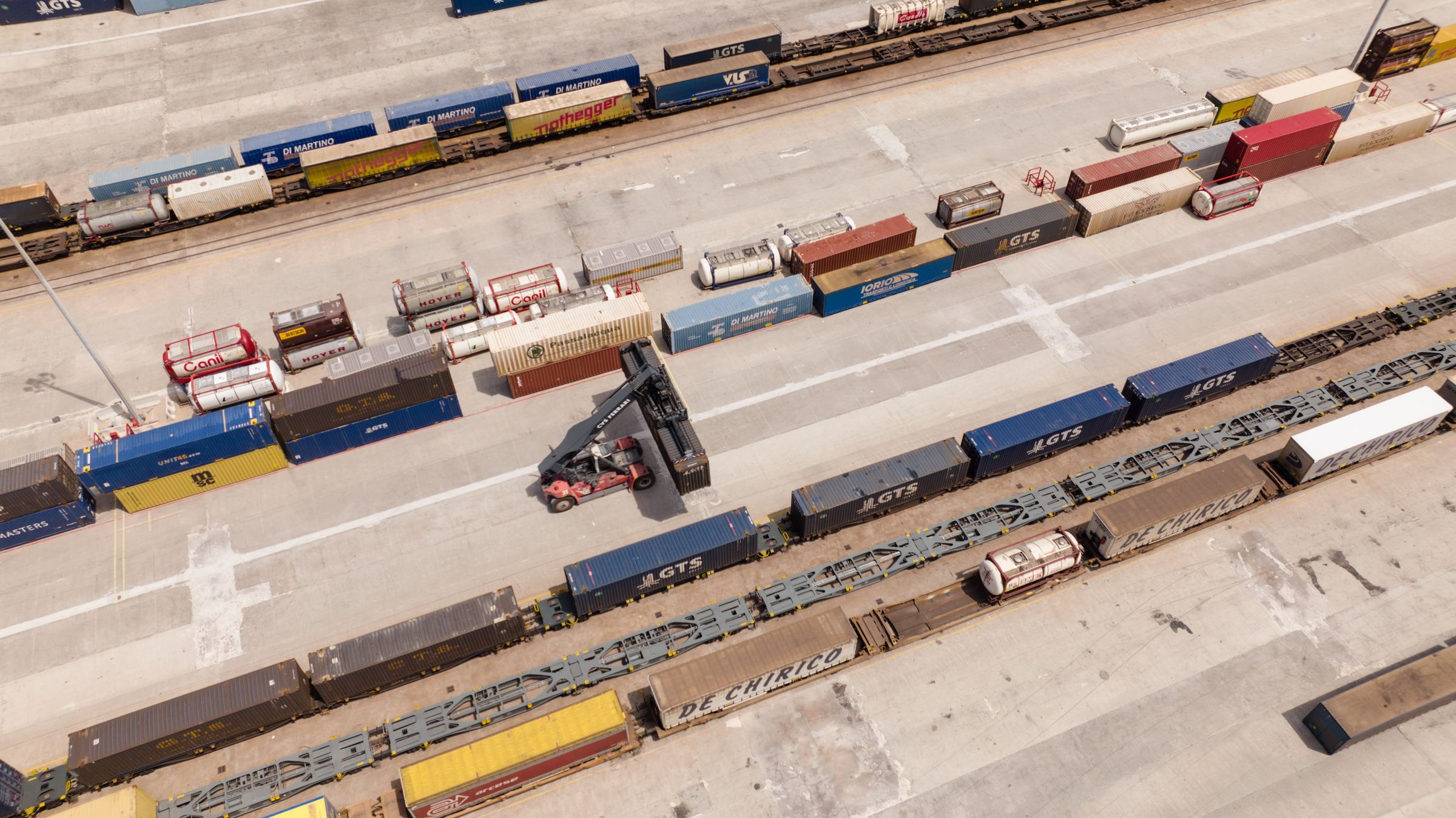
Logistics has consequently moved to the centre of the investment case. Additional production has value only if those tonnes can be moved through the system reliably and competitively, and the same logic runs through project finance, where rail capacity, port performance and export reliability shape throughput assumptions, cash flows and the ability to service debt.
Against that background, the movement in 2026 is significant and encouraging. The Transnet Rail Infrastructure Manager has allocated rail slots to 11 private train operating companies, which are now progressing through the processes required to commence operations. Those slots are expected to introduce approximately 24 million tonnes of additional annual freight capacity once services begin, with scope to increase volumes further. The final Network Statement Version 4, published in September, sets the access framework for the next phase of implementation. Together, these steps begin to move open access from policy design towards an operating market, creating an opening for private sector investment, operational expertise and innovation in a network on which the mining industry depends. The next test is whether that momentum translates into services commencing as planned, capacity available in practice and a regime that supports bankable, long-term investment in rolling stock and operations.
Mineral rights administration requires the same focus on delivery. The new mining cadastre is intended to replace the South African Mineral Resources Administration Database with a transparent and reliable platform for applications and rights information, but it is not yet fully operational nationally. Government now targets the end of March 2027 for completion of the national rollout. Delays in data verification and migration, compounded by overlapping or inaccurate legacy records, have reinforced the very uncertainty the system is meant to resolve. Investors need to know who holds which right, over what area, and how long an application or transfer is likely to take. The cadastre will add real value only when accurate data, clear processes and dependable turnaround times are evident in practice.
Mining investors do not expect a risk-free jurisdiction. They do expect risks to be identifiable, capable of assessment and addressed within a consistently applied framework. South Africa’s legal, financial and technical maturity remains a competitive advantage, but that advantage is eroded when administrative outcomes are slow or unpredictable, or when corruption and illegal mining are allowed to persist. After years of strategies and reform commitments, the strongest investment signal will be delivery: trains operating under the new access model, sustained improvement in corridor and port performance, a functioning cadastre founded on reliable records, faster and more transparent rights administration, and policy that can be implemented without repeated clarification or delay. Such outcomes would do more to restore confidence than another statement of intent.
There are sound reasons for optimism. Cooperation among government, organised business and the mining industry has helped advance reforms that had stalled for years, particularly in logistics. The current phase of the Government-Business Partnership, focused on growth, employment and confidence, provides a platform for the private sector’s practical operating experience, capital and problem-solving capacity. Its credibility will rest on outcomes that companies can build into investment models and boards can rely upon when approving capital.
Government also has an important role in creating more effective mechanisms for addressing community concerns and disputes. These issues cannot be left indefinitely to individual mining companies, particularly where they involve competing rights, local service delivery or failures of public administration. Timely and principled intervention can support both operational stability and better outcomes for host communities.
South Africa already has the mineral base, mining experience, private sector capacity and market institutions to compete for global capital. Winning back investment will depend on demonstrating that projects can move from application to production, and product from pit to port, within commercially credible timeframes. Consistent execution would allow the country to turn its established strengths, and the renewed global focus on critical minerals and resilient supply chains, into investment and growth. Whether the 2026 Indaba becomes the moment that delivery finally outpaces promise is the question its participants will now have to answer.