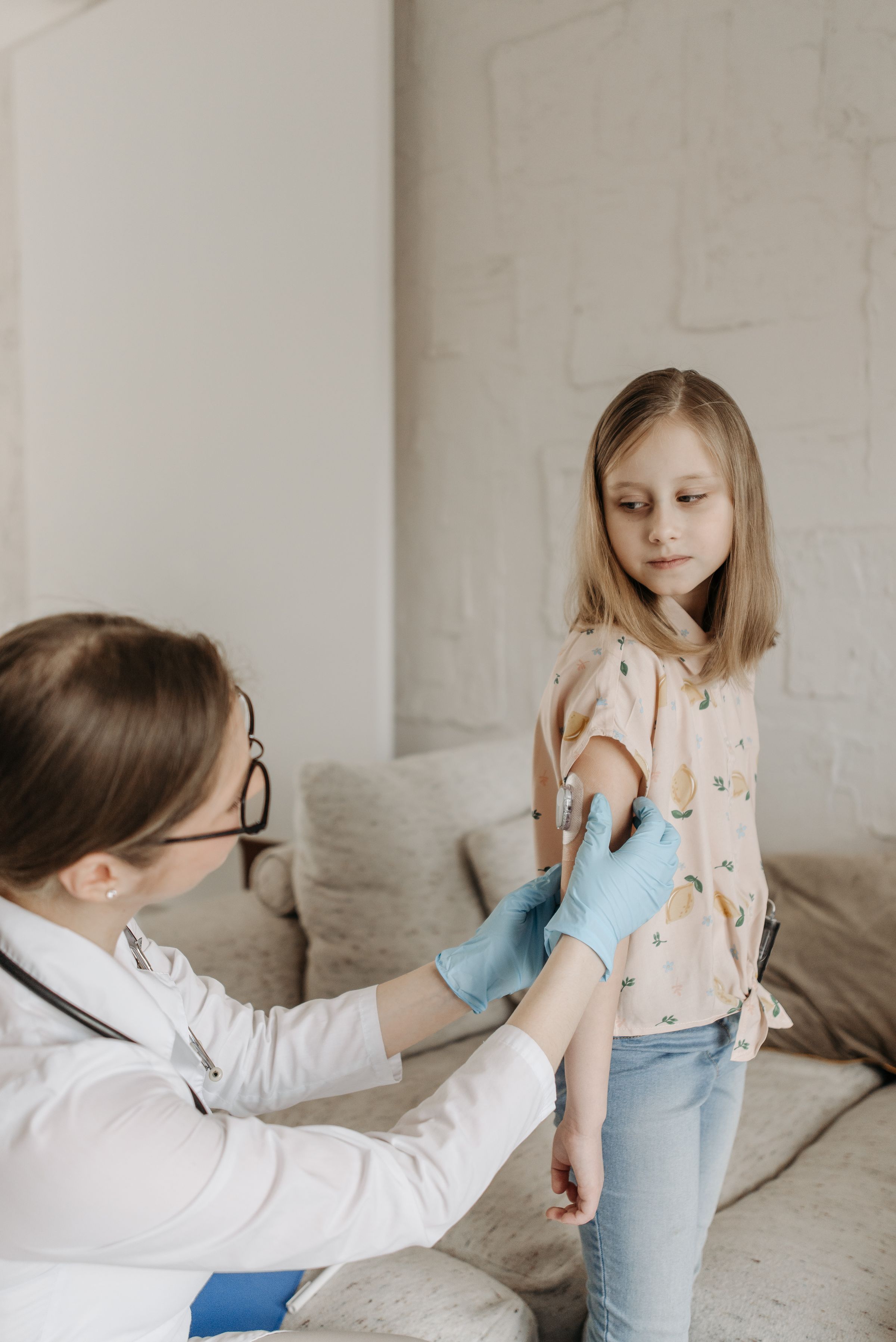
Ten years after South Africa began vaccinating schoolgirls against the human papillomavirus, the evidence is in: the programme is working, and it is working for the girls who face the greatest risk. New research shows that infections with the HPV types most responsible for cervical cancer have fallen dramatically among vaccinated generations, including among adolescent girls living with HIV. For a country that carries one of the world’s heaviest burdens of cervical cancer, the findings speak directly to the health and future wellbeing of its citizens.
The stakes for the public are considerable. Almost all cervical cancers are caused by persistent infection with HPV, a very common virus transmitted through sexual contact. Most infections clear naturally, but some high-risk types can persist and eventually lead to cancer. Two types alone, HPV 16 and 18, are responsible for around 70% of cervical cancer cases worldwide. Each year, more than 660,000 women are diagnosed globally, and over 90% of new cases and deaths occur in low- and middle-income countries. Cervical cancer is one of the most preventable forms of cancer, which makes the failure to prevent it a matter of public health equity as much as medicine.
South Africa’s situation is made more urgent by HIV. The virus increases the likelihood that HPV infection will persist and progress to cervical disease, meaning women living with HIV are much more likely to develop cervical cancer during their lifetime than women without it. An estimated 7.9 million people in South Africa were living with HIV in mid-2025, accounting for 12.3% of the total population. Any prevention effort that leaves this group behind would fall short of its public duty. The new findings suggest the vaccination programme has not.
The research behind these conclusions was conducted by public health researchers dedicated to advancing the prevention and treatment of sexually transmitted infections. Because cervical cancer can take decades to develop after HPV infection, it remains too early to judge success by cancer rates alone. Instead, the researchers examined whether vaccine-targeted HPV infections are becoming less common among generations eligible for vaccination. A substantial reduction in these infections is a strong early signal that future cervical cancer rates will fall.
Through the HPV One and Two Dose Population Effectiveness (HOPE) study, conducted in 2019 and 2023, the team compared how common HPV was among adolescent girls aged 17 to 18 who were too old to be vaccinated when the national programme began, with girls of the same age who had been eligible through the school-based programme. The study included 2,357 participants recruited from public healthcare facilities across four South African provinces. Importantly, about one-quarter of participants were living with HIV, allowing the researchers to examine vaccine impact in a population at higher risk.
The results were striking. Across all participants, infections with HPV types 16 and 18 fell by 83% between pre-vaccine and post-vaccine groups. Before the vaccination programme, about one in five girls carried one of these high-risk types. Among girls eligible for vaccination, that figure dropped to roughly three in every 100. The programme performed equally well among girls living with HIV: in this group, HPV 16/18 infections fell from 29% to 4%, an 82% reduction.
The benefits also extended beyond the vaccinated. The researchers observed reductions in high-risk HPV types genetically related to HPV 16 and 18, a phenomenon known as cross-protection, which increased the programme’s overall impact. Meanwhile, other HPV types did not fall, strengthening confidence that the reductions were due to vaccination rather than changes in sexual behaviour. There was further evidence of indirect protection, often called herd protection: girls in the post-vaccine era with no documented or reported vaccination had much lower rates of HPV 16 and 18 than girls in the pre-vaccine group. When most people are vaccinated, the virus spreads far less in the wider community, helping protect even the unvaccinated.
The programme itself dates to 2014, when South Africa introduced HPV vaccination in public schools, offering the vaccine to grade 4 girls aged nine years and older. Uptake was high from the start, with about 87% of eligible girls receiving at least one dose in the first year. A detailed account of what a decade of this effort has achieved can be found at https://theconversation.com/south-africas-hpv-vaccination-drive-to-protect-girls-from-cervical-cancer-is-working-what-we-know-after-10-years-292014.
The findings carry weight well beyond South Africa’s borders. They demonstrate that the benefits of vaccination extend to adolescent girls living with HIV, a group that stands to gain substantially from effective cervical cancer prevention. This is especially important for countries in eastern and southern Africa, where both HIV and cervical cancer remain major public health challenges, and where health authorities are working towards eliminating cervical cancer as a public health problem.
Policy has also moved with the evidence. In 2022, the World Health Organization recommended a single-dose HPV vaccine for the general population, aiming to simplify delivery and increase global coverage in the settings that need it most. Since October 2024, South Africa has adopted a single-dose approach. The researchers note that continued monitoring will be important to ensure long-term protection, particularly among people living with HIV.
For ordinary South Africans, the takeaway is straightforward. A school-based programme, delivered through the public system, has measurably reduced the infections that place young women at risk of one of the world’s most avoidable cancers, and it has done so for the girls most vulnerable to that risk. Ten years on, the programme is delivering population-level benefits and offering a model for other countries determined to protect the next generation of women. The open question now is whether that protection holds for decades to come, and whether other nations facing the same double burden of HIV and cervical cancer will follow where South Africa has led.