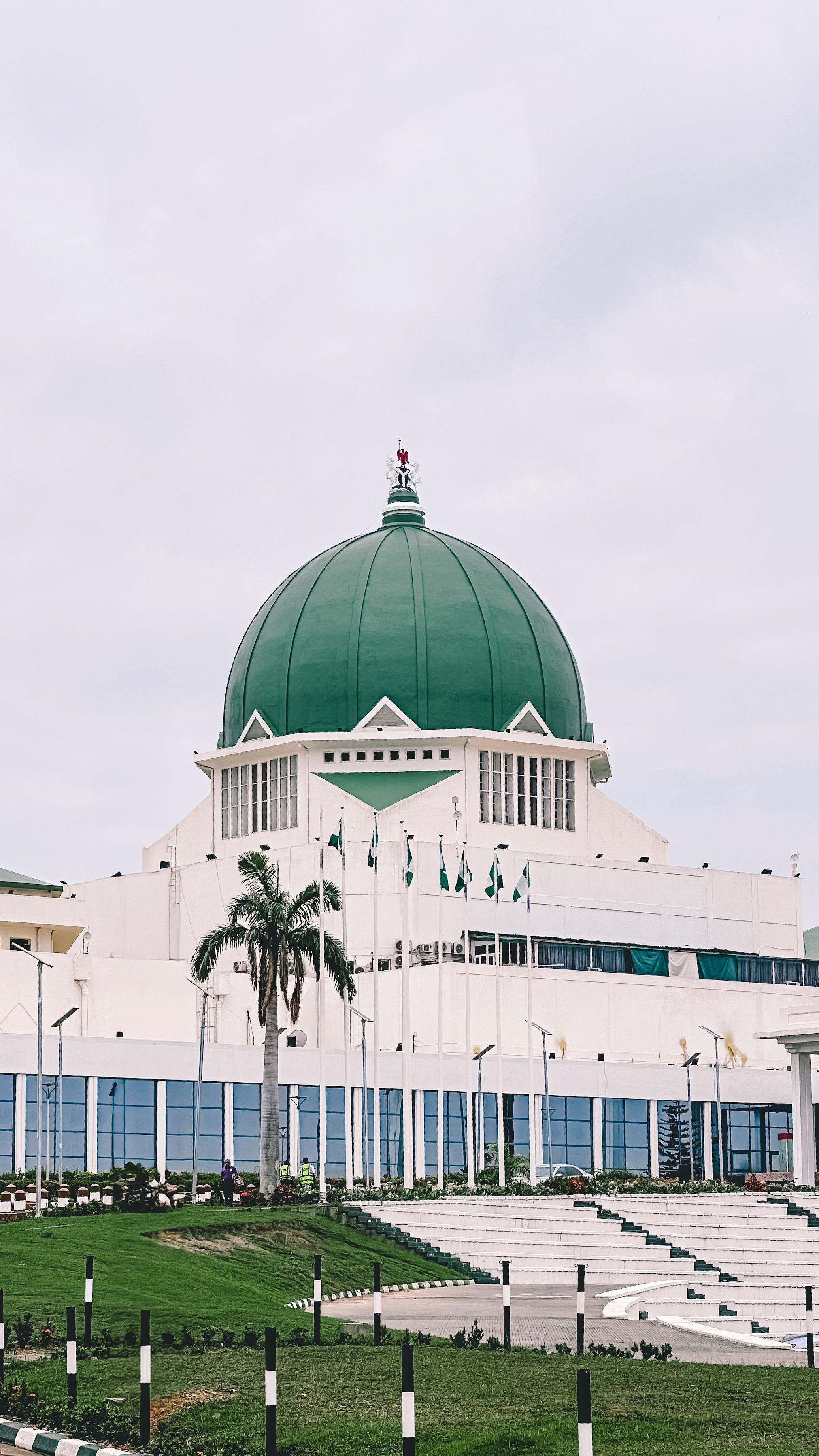
Parliament’s Medium Term Budget Policy Statement has become the focal point of a contest over accountability, with opposition parties in the National Assembly questioning whether the Treasury’s fiscal choices serve the public or the governing alliance’s electoral interests. Finance Minister Enoch Godongwana delivered the statement in the National Assembly at Parliament in Cape Town on Wednesday. Its revised growth forecast has drawn sharp scrutiny from parties seated across the chamber.
At the centre of the institutional debate is the downgrade itself. Government has revised its economic growth forecast for 2026 to 1.2%, down from the 1.6% projected in the February budget. The Democratic Alliance, a partner in the Government of National Unity, responded by arguing that the mandate for reform must extend beyond the Treasury. DA Member of Parliament Kingsley Wakelin said the current growth level means very little for economic growth and job creation, and framed the party’s position as a demand for faster, more far-reaching growth reforms. “The DA believes that faster and more far-reaching growth reforms are now urgent. The 2026 MTBPS cuts this year’s growth forecast from 1.6% to 1.2%. This is not enough to move the needle on unemployment. Bold and far-reaching reforms beyond the Treasury are now essential. With a clear goal, we need to grow to at least 3.5%,” he said.
The uMkhonto weSizwe Party went further, describing the statement as rhetorical and a waste of time. MKP MP Thulani Gamede pointed to the timing of the fuel levy reduction, which begins on 4 November, the same day as the Local Government Elections. “Looking at the dates, the start date of that reduction on the 4th of November, what does it say to you? It tells you that the Minister of GNU (Government of National Unity) was actually here to campaign for his own organisation and their own GNU,” he said. Gamede added that the parties in the GNU were working together to win in their corner so that they govern the country, claiming they do not care about South African people or the livelihood of the people.
The Economic Freedom Fighters raised a parallel accountability concern, arguing that the Minister is using the reduction in the fuel levy to promote the African National Congress’ chances at the polls next month. EFF MP Sinawo Thambo said the party believes the fuel reduction is being abused to garner votes for the ANC in the upcoming Local Government Elections. “He’s using it to ensure that he enhances his political party’s chances at the polls on the 4th of November because why does he not adjust a fuel levy today (Wednesday) and wait for the 4th of November, which is voting day, and then adjust it downwards within a month, and then our people go back to the same situation,” Thambo said. He argued that state power is being utilised to enhance electoral chances, something he said must be frowned upon, and called for Parliament to have much more power over such decisions.
Reactions to the statement have dominated commentary, as reflected in coverage carried at https://www.sabcnews.com/sabcnews/growth-downgrade-election-politics-dominate-mtbps-reactions/.
By contrast, the United African Transformation added a different critique, focused on policy substance rather than electoral timing. UAT leader Dr Wonderboy Mahlatsi said the MTBPS failed to provide a comprehensive strategy to lower food prices for millions of poor South Africans, and that it is not nearly enough to assist struggling households. “While temporary fuel levy relief may reduce transport costs in the short term, there is no comprehensive strategy to lower food prices, strengthen local food production, or expand land-based economic opportunities for disadvantaged communities. The budget allocates resources to agriculture support services but falls short on placing land reform and agricultural development at the centre of economic transformation,” he said.
Taken together, the responses frame the statement not merely as a fiscal update but as a test of oversight, with parties pressing for greater parliamentary power over fiscal instruments and for reform mandates that reach beyond the Treasury. Whether Parliament acts on those demands before the 4 November elections remains the open question.