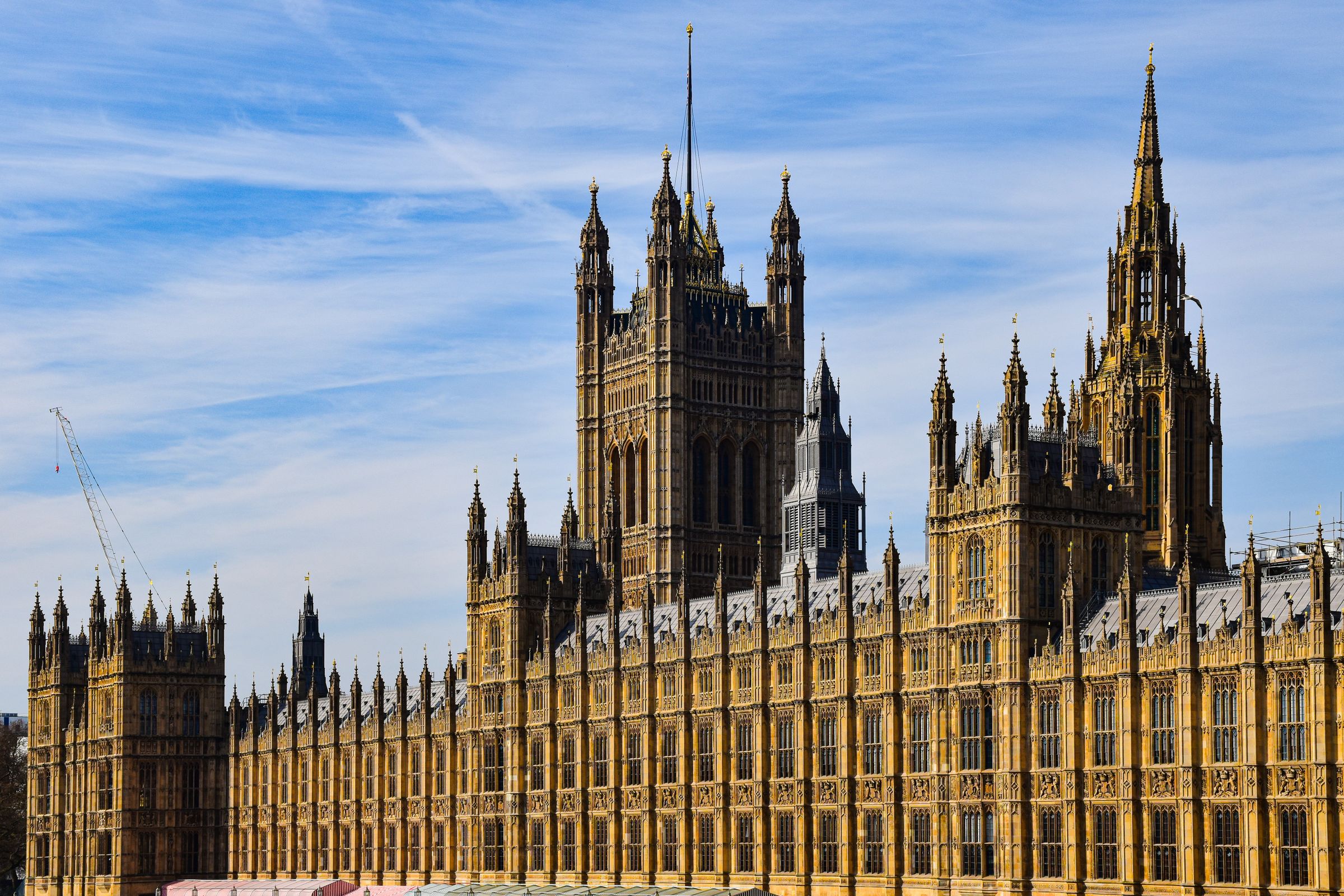
South Africans will get a clear view of how government plans to manage the public purse when Finance Minister Enoch Godongwana tables the Medium-Term Budget Policy Statement in the National Assembly today.
The statement, often called the “mini budget”, is more than a technical exercise. It gives Parliament and the public a chance to weigh how government intends to balance economic growth, service delivery and fiscal sustainability at a time of competing demands on state resources. It also allows citizens to engage with the country’s budget plans months before the national budget is presented in February.
Parliament says the statement plays a critical role in the budget process by setting the tone for the fiscal framework of the next national budget. It provides both lawmakers and the public with National Treasury’s assessment of the current economic situation.
In practical terms, the statement outlines government’s revised economic outlook and adjusted expenditure estimates. It sets out the economic policy framework, updates forecasts, adjusts departmental budgets and makes provision for emergency spending. Departments may apply for adjustments to their budgets and request additional funds for unforeseeable and unavoidable expenditure, while government indicates how it intends to revise spending estimates and update its expenditure plans.
Parliament describes the statement as a mechanism for reviewing the effective and efficient use of available resources, a function that speaks directly to the public interest in how tax money is spent.
The statement is not optional. It is provided for under section 28 of the Public Finance Management Act, 1999 (Act 1 of 1999), which requires National Treasury to table multi-year revenue and expenditure projections, together with key macroeconomic forecasts, in the National Assembly each year. It also forms part of South Africa’s Medium-Term Expenditure Framework, which has introduced a longer planning horizon into the budget process.
Under Parliament’s rules and procedures, the statement is tabled every October, three months before the national budget and after the Budgetary Review and Recommendations Reports. The national budget itself follows in February, after the State of the Nation Address.
Once the statement has been tabled, Parliament’s finance and appropriations committees must hold public hearings with the relevant stakeholders. These hearings give affected parties and ordinary citizens a formal channel to scrutinise the fiscal framework and voice concerns before the national budget is finalised. During the same sitting, the Minister of Finance will also table the Adjustments Appropriation Bill.
For the public, the significance of today’s sitting lies in what follows. The figures and priorities set out by the Minister will shape the fiscal framework of the next national budget, and with it the resources available for the services citizens rely on.