Arno Andries Francois Venter, a 28-year-old South African who entered the United States in June as a refugee, now faces 11 criminal charges related to child sexual abuse material. His case is raising uncomfortable questions in both countries about how thoroughly applicants under the accelerated US refugee programme are screened before they are admitted.
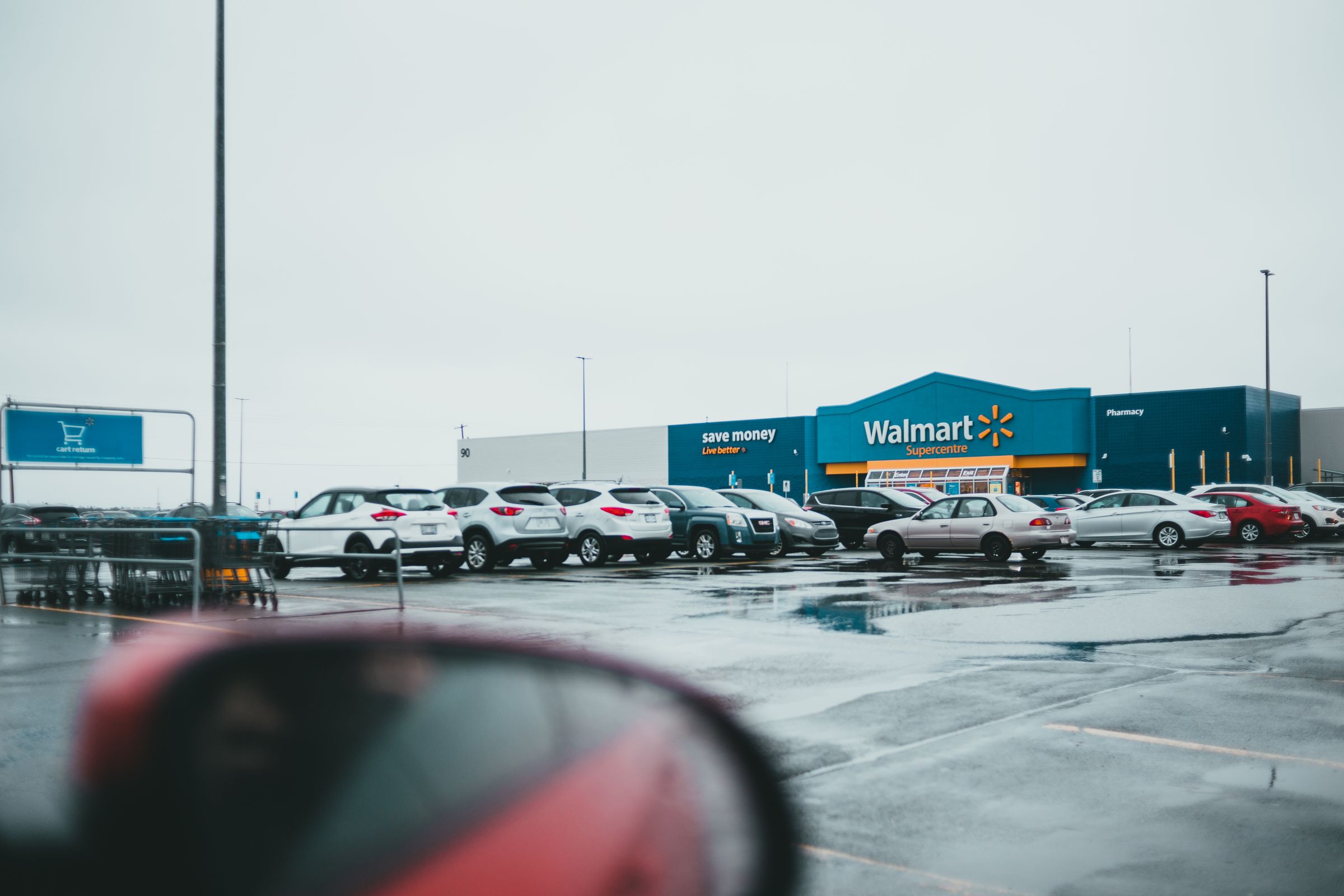
Venter was arrested on 16 October in North Olmsted, a suburb of Cleveland in Ohio, after a filmed confrontation by members of the vigilante group Predator Poachers at the Walmart supermarket where he worked. On 21 October, a grand jury in Cuyahoga County formally indicted him on 11 counts: five of pandering sexually oriented matter involving a minor, five of illegal use of a minor in nudity-oriented material or a performance, and one of possessing criminal tools.
The stakes for the public extend well beyond one accused man. The 10 charges involving minors are second-degree felonies under Ohio law, each carrying a potential sentence of up to 12 years. If convicted on all counts and given maximum consecutive sentences, Venter could face 85 years in prison.
The details that have emerged are disturbing by any measure. In video footage of the sting operation, Venter admits on camera that he receives and forwards child sexual abuse material on his phone daily, saying at one point, “Not more than 100 videos a day,” before amending that to “not more than 50.” He also admits to specifically seeking out videos of babies being sexually abused, telling Predator Poachers founder Alex Rosen, “I’m aiming to find them so that I have the rare stuff.” Asked what age he considered a baby, he replied: “Younger than when they start walking.” He said the viewing and distributing had been going on “for a few years.”
Under Ohio law, pandering refers to the creation, recording, reproduction or publication of material depicting children being sexually abused; the offence does not require the accused to have personally filmed or photographed the abuse. The possessing criminal tools charge relates to having an object or device intended for use in committing a crime, in this context possibly a mobile phone or laptop.
The circumstances of the arrest have drawn wide attention. A three-minute clip of the confrontation at Venter’s workplace has gone viral on South African social media, though the full recording, available only to paid subscribers, runs to more than an hour. In it, Rosen persuades Venter to speak first outside the Walmart and then inside a team vehicle, all while recording. Venter says he is from Gauteng and came to the US as a refugee with his brothers, with whom he lives in Cleveland. When asked on camera whether he was part of the US refugee programme for South Africans, he confirmed it: “I’m a refugee.” Rosen then confronted him with print-outs of sexually explicit messages allegedly sent to a minor, and Venter began confessing. He is also alleged, based on messages Rosen says came from Venter’s communication with a 15-year-old boy, to have discussed abuse he had personally perpetrated on “younger kids”. When Rosen began asking about a girl called Natasha whom Venter had babysat in South Africa, Venter angrily interrupted: “That’s all a lie!” After nearly an hour, Rosen persuaded Venter to re-enter the store, where police arrested him immediately. Venter admitted to police that his phone held explicit images of minors and handed it over.
The case now sits at the centre of a debate about public safety and the pace of vetting. Daily Maverick could find no evidence that Venter had been arrested or prosecuted in South Africa before he moved to the US, yet the programme that admitted him has been operating far faster than ordinary channels. Under the conventional US Refugee Admissions Program, applicants face extensive background checks across multiple agencies, including the FBI and US intelligence services, with fingerprint and biometric screening, database checks and immigration interviews. In 2023, US Citizenship and Immigration Services reported that the average refugee application took roughly four years to process. By contrast, an October 2025 Washington Post investigation reported that security and biometric screening for many Afrikaner applicants was being completed in as little as a week. The State Department told the publication the programme was operating “at record speed while upholding the highest standards”.
Venter’s own history illustrates the questions. He told DHS he “lawfully entered the United States on June 16, 2026”, meaning his new life collapsed four months to the day after arrival. The DHS, which confirmed the arrest in an email referring to Venter as “a criminal alien from South Africa”, refused to confirm his refugee status despite being asked twice. Questions to USCIS and to the Amerikaners group, which helps process and refer would-be South African refugees, went unanswered; the US embassy in Pretoria said only the DHS could comment. According to the Amerikaners website, applicants must provide details of their social media accounts covering the previous five years, including usernames, account histories and posting frequency. Rosen alleged that Venter was freely communicating with contacts through a TikTok account in his real name, making it unclear how he slipped through the cracks if screening was done thoroughly. The SA Police Service had not responded at the time of writing to a question about whether it was still assisting the programme with criminal checks.
Court records indicate Venter was released on bail of $5,000 on 23 October, though it is unclear whether he remains subject to separate immigration detention or enforcement proceedings. His next pre-trial hearing is scheduled for 3 November. Further reporting on the case and the vetting questions it raises is available at https://www.dailymaverick.co.za/article/2026-10-28-sa-refugee-in-us-faces-decades-behind-bars-on-child-sexual-exploitation-charges/
For citizens on both sides of the Atlantic, the case turns on a simple question: whether systems meant to protect the public, from refugee screening to community safeguarding, are keeping pace with the people moving through them.