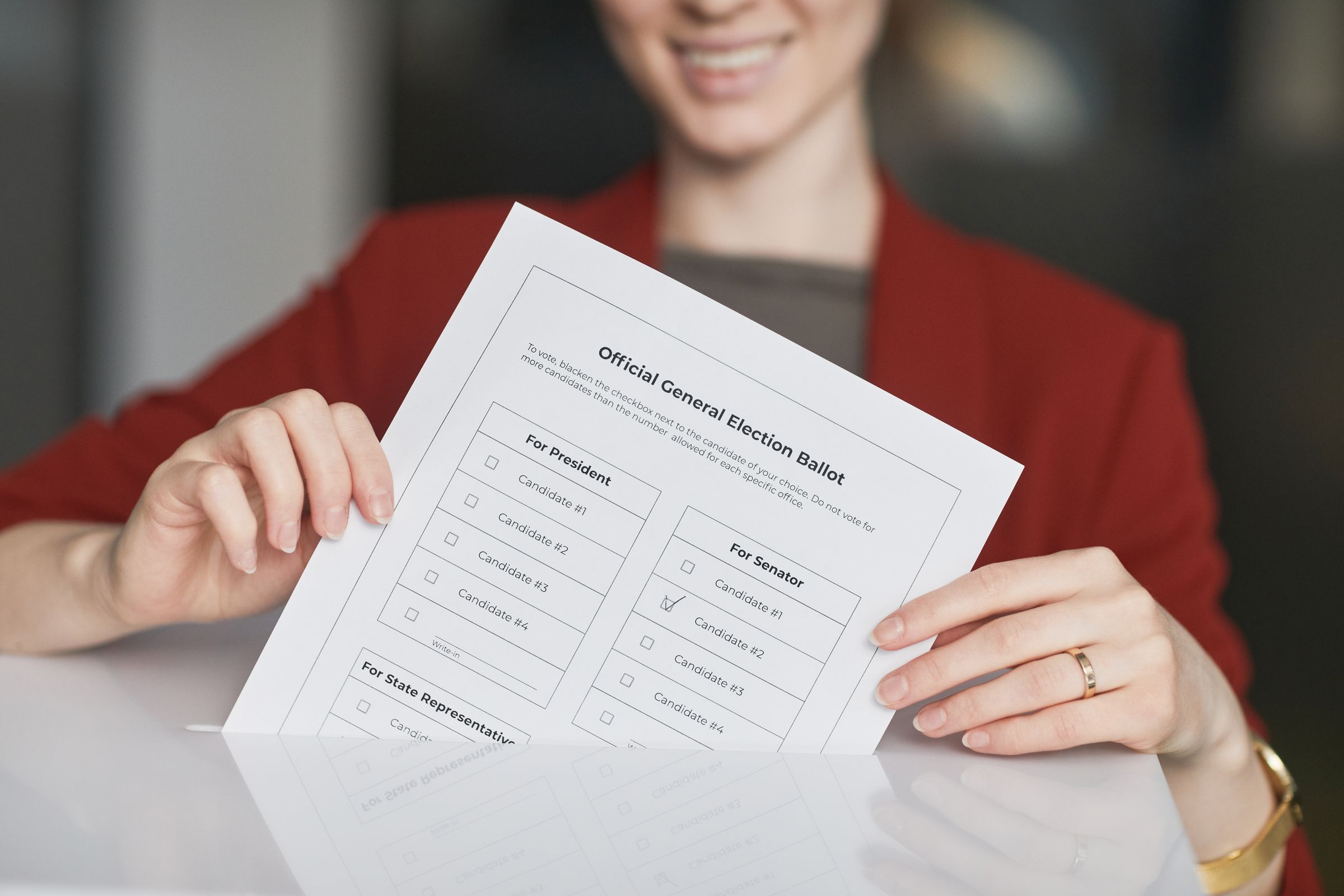
South Africans will head to the polls on Wednesday, 4 November, to choose the councillors and municipal councils that decide how their neighbourhoods are served. Minister in the Presidency Khumbudzo Ntshavheni wants every eligible voter, especially young people, to treat that day as a direct exercise of their stake in the country.
The stakes are close to home. In municipal elections, voters choose the representatives and political parties who serve on municipal councils, giving residents a say in decisions that shape their daily lives. Elected councillors carry the responsibility of improving communities and making sure residents receive services. That duty is why Ntshavheni urged voters to weigh their choices carefully.
“Do not vote for a councillor who serves only personal interests; vote for someone you can hold accountable and engage about community problems and challenges. Ask how they can contribute to building your community?” she said.
The Minister delivered the message after leading the Kliptown leg of the #LoveYourStreet campaign, where she handed over refuse bins and planted trees as part of government’s ongoing efforts to promote community pride, active citizenship and clean, safe neighbourhoods. It was from that setting, among residents whose everyday surroundings depend on municipal performance, that she framed voting as the starting point of public accountability.
“We want to remind South Africans to go out and vote on Wednesday, 4 November, in our local government elections. Approved special votes will be cast on 2 and 3 November 2026. If you have registered for a special vote, we call on you to go and vote,” the Minister told SAnews.gov.za.
Her appeal to young voters was grounded in the sacrifices of earlier generations. “The freedom we enjoy today was not free. Young people lost their lives in the struggle for freedom, including Solomon Mahlangu, Tsietsi Mashinini, Hector Pieterson and many others,” Ntshavheni said. On 16 June 1976, thousands of young people in Soweto protested peacefully against the imposition of Afrikaans as a medium of instruction in schools. Their sacrifices helped advance the struggle for freedom, justice and equality, and highlighted the role young people can play in driving transformation.
“They lost their lives fighting for this freedom, so it is important for young South Africans to remain engaged. Freedom is meaningful only when we build on it, and rights are meaningful only when we exercise and strengthen them,” she said. “We must continuously work to protect our freedom. Freedom means not only access to education, but also access to economic opportunities. Achieving those things requires participation and activism.”
For the Minister, that activism begins at the ballot box: “getting up and voting for the government and councillor of your choice.” Her closing message to young voters made the stakes explicit. “On 4 November, let us go out and vote in large numbers. Young people, this is your country and your future. Go and choose the councillors of your choice. It is your responsibility to elect a government that will lead you,” she said.
Meanwhile, practical matters could affect turnout, and the Minister addressed them directly. She assured the public that law enforcement agencies would be deployed to ensure safe elections and to enable South Africans to exercise their right to vote without fear.
Voters should also note that in the 2026 local government elections they may vote only at their registered voting station. The Electoral Commission urges voters to check their voting station details before Election Day. This can be done by sending an ID number via WhatsApp to 0600 88 0000, or by SMS to 32810 at a cost of R1 per SMS. Voters will receive the name of their registered station and their voters’ roll sequence number. Giving that number to election officials on the day helps officials find voters’ names on the roll more quickly.
For eligible citizens, the call comes down to a simple proposition: the councils elected on 4 November will be the people responsible for the services communities rely on, and the way to shape that outcome is to show up, verify voting details in advance, and cast a ballot for representatives prepared to be held accountable. Will enough South Africans, young ones especially, answer that call?