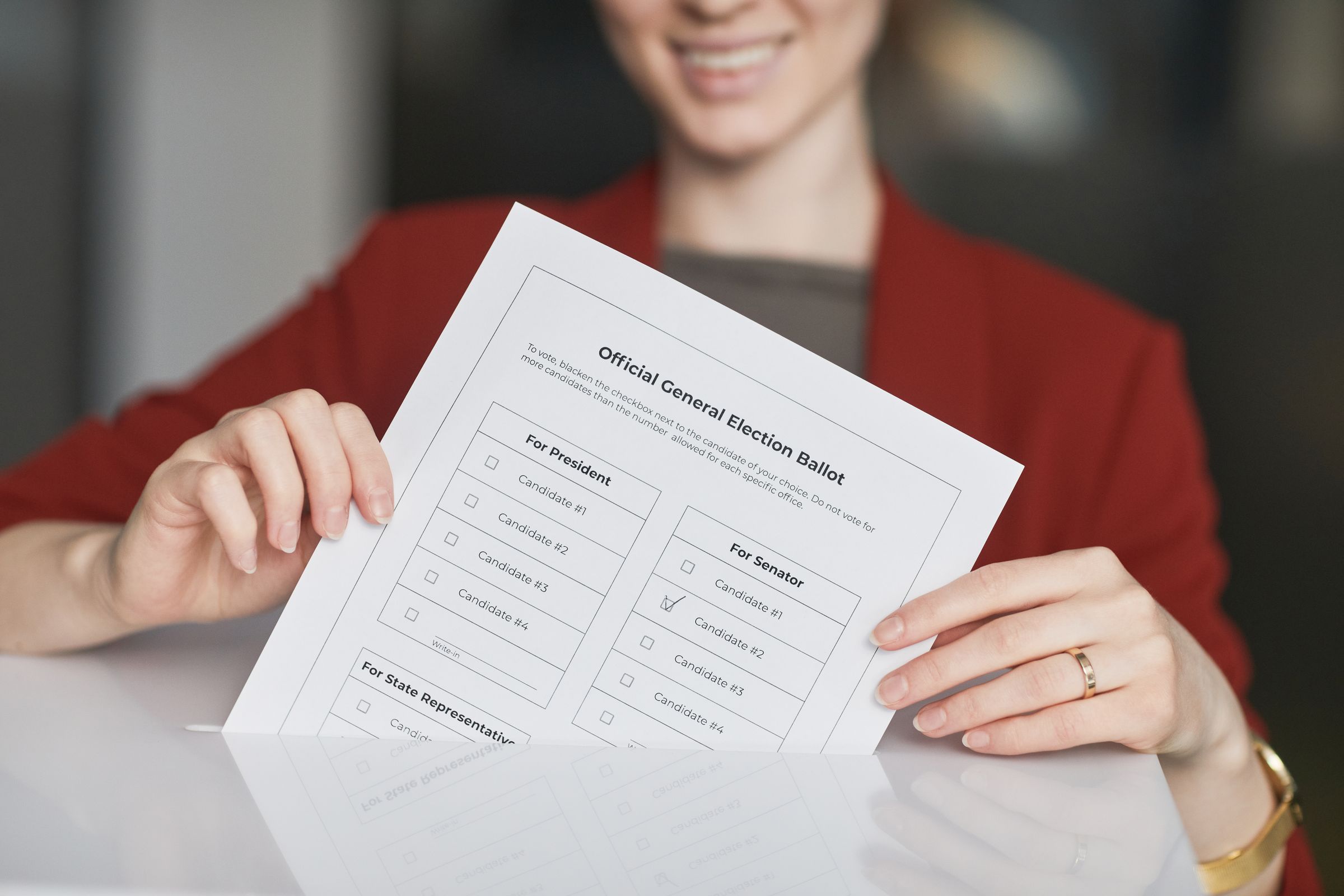
Zandile Nyuswa, 58, voted at Hazelmeer near Verulam, north of Durban, on Wednesday morning, and her reasoning was simple. “To be honest, I am not sure why I vote because we have no water and light, and potholes are spoiling our cars on the road. However, we have no option, because if I do not vote, things will stay the same,” she said after casting her ballot.
Her words capture the mood that carried millions of South Africans to polling stations across the country for the 2026 local government elections, a vote many framed as a chance at a fresh start and new political leadership. President Cyril Ramaphosa, Julius Malema and Jacob Zuma joined the queues alongside ordinary voters, according to the headline framing carried by the BBC, whose Pidgin service reported the story at https://www.bbc.com/pidgin/articles/cmqlnw2pgkg6o.
For many, the day began before the sun was fully up. Hlengiwe Ndimande, 50, had originally decided not to vote at all, disappointed by the lack of decent services where she lives. She changed her mind overnight, waking at her usual workday hour to be among the first in line. “I changed my mind about not voting because I realised most people do not vote because they are angry about the lack of service delivery. People are tired; we have no water and light. Today, I told myself I will vote for change,” she told local media.
At the Faerie Glen voting station, the vote carried a different weight for a younger generation. Elzina Schulte, who cast her ballot there, said the election matters deeply for young people who want the country to find its direction. “I think it is very important to vote as youth in South Africa. I believe we have hope and voting means we have our own voice in what our country and our future will look like. So, I am very grateful that we can do that today,” she said. Her fellow voter at the same station, Werner Schulte, urged South Africans not to take their democratic rights for granted. “People fought for this freedom, so go out there and vote. We have hope for South Africa. Let us restore South Africa and make it a country worth fighting for,” he said.
Behind those personal stories, the machinery of the election was largely working. The Electoral Commission (IEC) reported the vote was proceeding smoothly, with 98% of the country’s 23,696 voting stations open by 7:00am on Wednesday. A handful opened later, around 9:00am, after heavy rain and local protests in the Eastern Cape and KwaZulu-Natal disrupted preparations.
IEC Deputy Chief Electoral Officer Masego Sheburi told a press briefing that millions of registered voters had already cast their ballots, and he encouraged those still at home to do the same. “The Commission urges all remaining registered voters to use the remaining hours of voting to cast their ballot and exercise their democratic right to participate in the 2026 Local Government Elections,” he said. The Commission has also introduced measures to speed things up for voters standing in line, including handheld barcode scanners attached to Voter Management Devices and sequence numbers on the voters’ roll, all designed to make verification faster. “The Voter Management Devices are functioning optimally, supporting the smooth processing and verification of voters at voting stations,” Sheburi said.
Not everything went cleanly, and for voters in affected areas the disruptions were close to home. In the Eastern Cape, police arrested two women who claimed to be IEC officials as they tried to leave with voting material. Eastern Cape Provincial Commissioner Lieutenant General Vuyisile Ncata said the pair arrived at a voting station to collect material, claiming the presiding officer had sent them. The presiding officer was in fact already in the queue and had sent no one. “They identified the suspects before they left the station and they seized the voting material,” the South African Police Service said. The case is being processed under the Municipal Electoral Act 27/2000, Section 68(d), which prohibits impersonating an IEC official. “We will not tolerate any interference with the electoral process. The arrest of the two suspects shows our commitment to uphold the integrity of elections. Anyone who wants to impersonate an IEC official will face the full might of the law,” Ncata said.
Separately, the IEC said in a Wednesday press statement that it received reports of an attempt to steal unused ballot papers and a stamp at a voting station in Ward 2 in eThekwini, KwaZulu-Natal. “There are 20 voting stations in that ward. We have put measures in place to make sure that if those ballots surface at any of these voting stations, we will be able to identify them, because ballots must be validated with a stamp on the back,” Sheburi said. A case has been opened with the police, and Commission staff have been removed from that station.
For the voters who stood in line from dawn, though, the day was less about logistics and more about hope, frustration and the belief that a single ballot might still move things forward. Whether that belief turns into visible change in places like Hazelmeer and Faerie Glen is the question the results will now have to answer.